
10 Meaningful Ways to Personalize a Loved One’s Headstone
Losing a loved one is one of life’s most profound experiences, and families often seek meaningful ways to preserve memory and legacy. One lasting way to honor a life is through thoughtful memorial personalization. This article explores how memorial markers can be customized to reflect personality, beliefs, and values. When done carefully, a personalized headstone becomes more than a marker; it becomes a reflection of a life well lived. The following guide outlines practical and creative ways to create a tribute that feels both timeless and deeply personal.
1. Personal Messages and Meaningful Wording
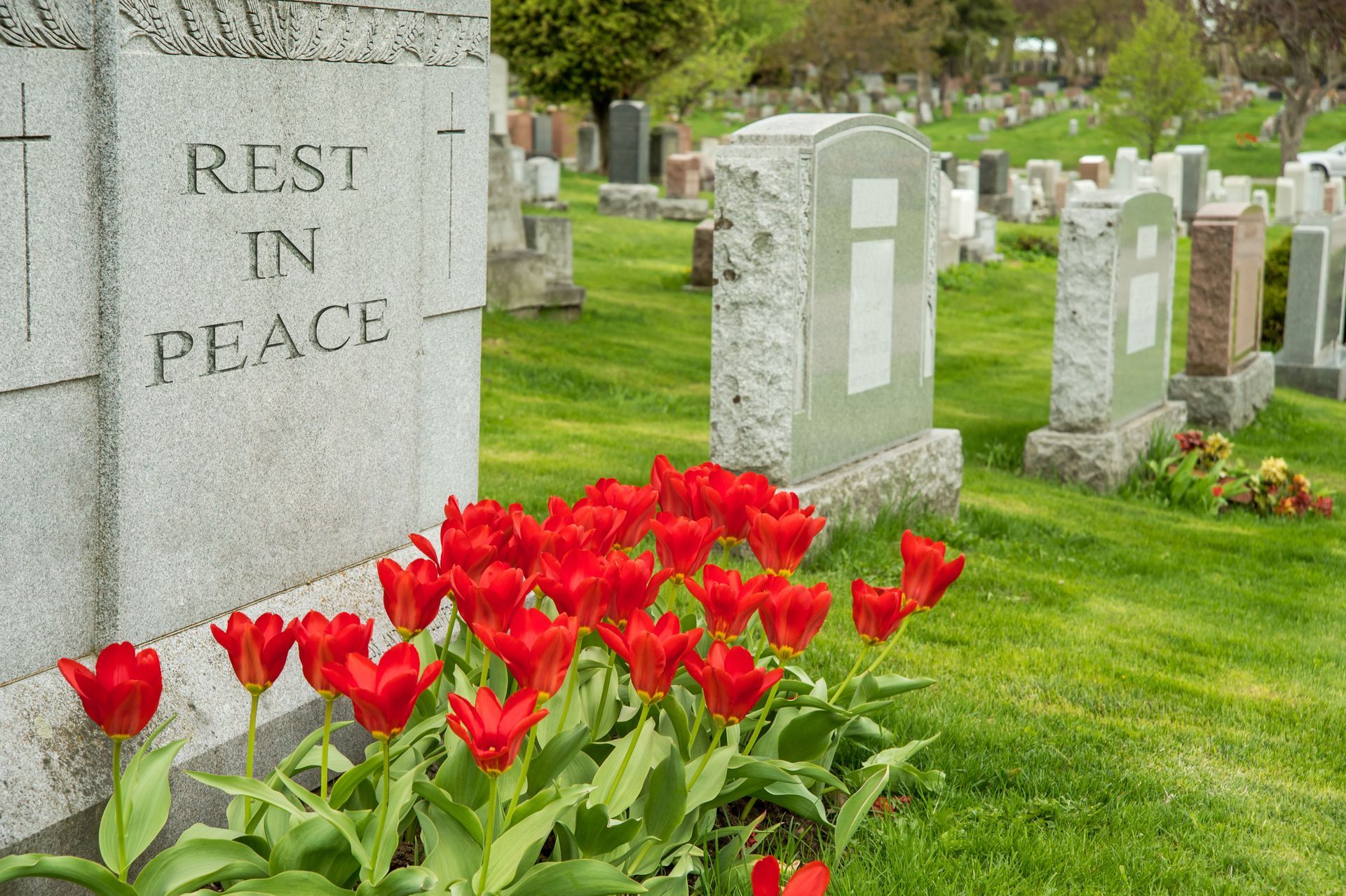
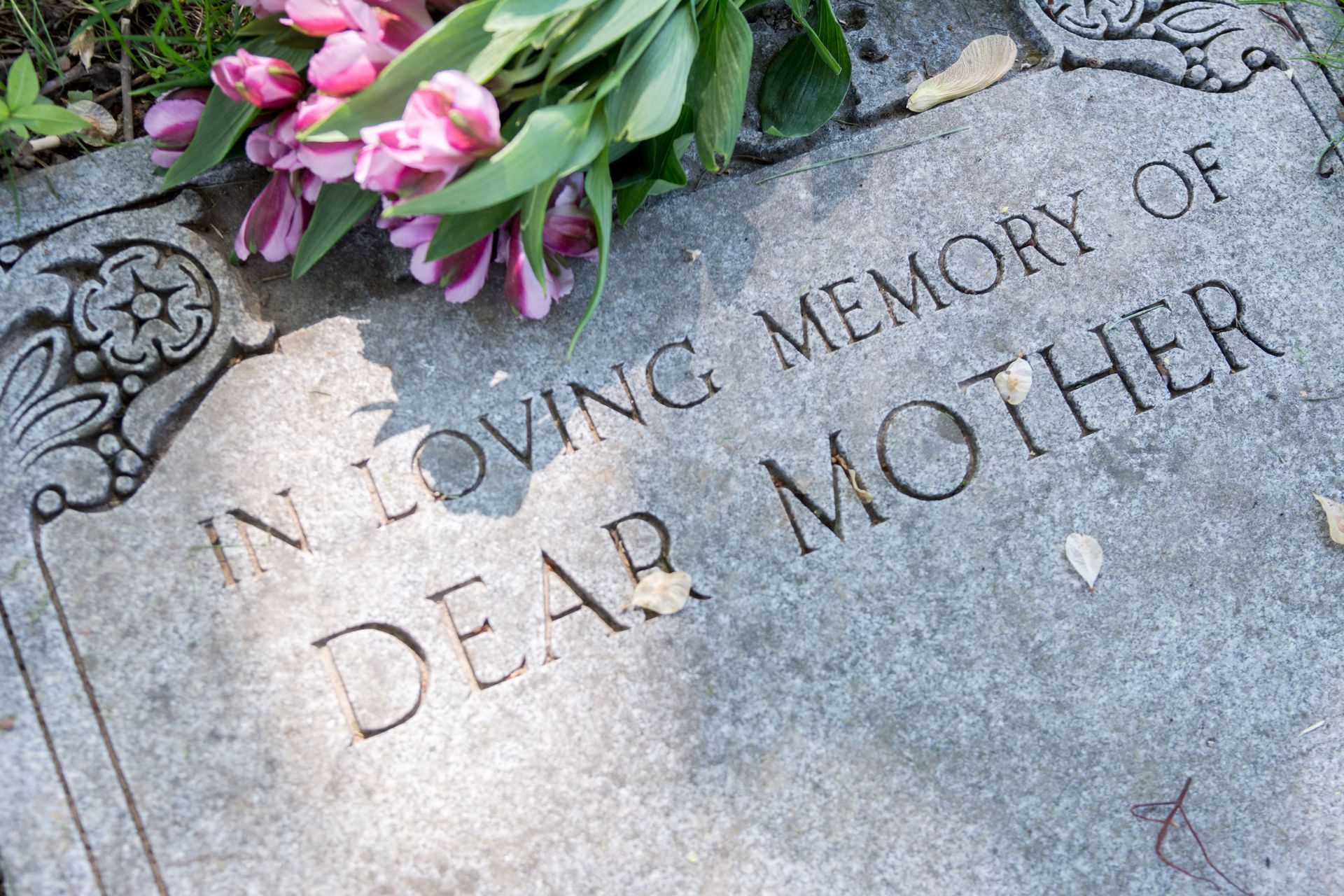
Words have the power to preserve memory and emotion long after a life has ended. Carefully selected inscriptions can convey love, values, and identity in a lasting way. Families often choose language that reflects character, humor, faith, or devotion, ensuring the memorial speaks authentically for generations to come.
Quotes from literature, original phrases, or short reflections allow loved ones to express what mattered most. These inscriptions help visitors connect emotionally, offering comfort and familiarity. A meaningful message transforms a headstone into a narrative rather than a simple identifier.
Religious passages or spiritual affirmations are also commonly chosen to reflect beliefs and provide reassurance. These selections often emphasize peace, hope, and continuity, helping loved ones process grief while honoring faith traditions. According to PR Newswire, 37% of Gen Z prefer traditional burial over other options, indicating that enduring memorial practices remain meaningful across generations.
2. Symbolic Imagery and Iconography
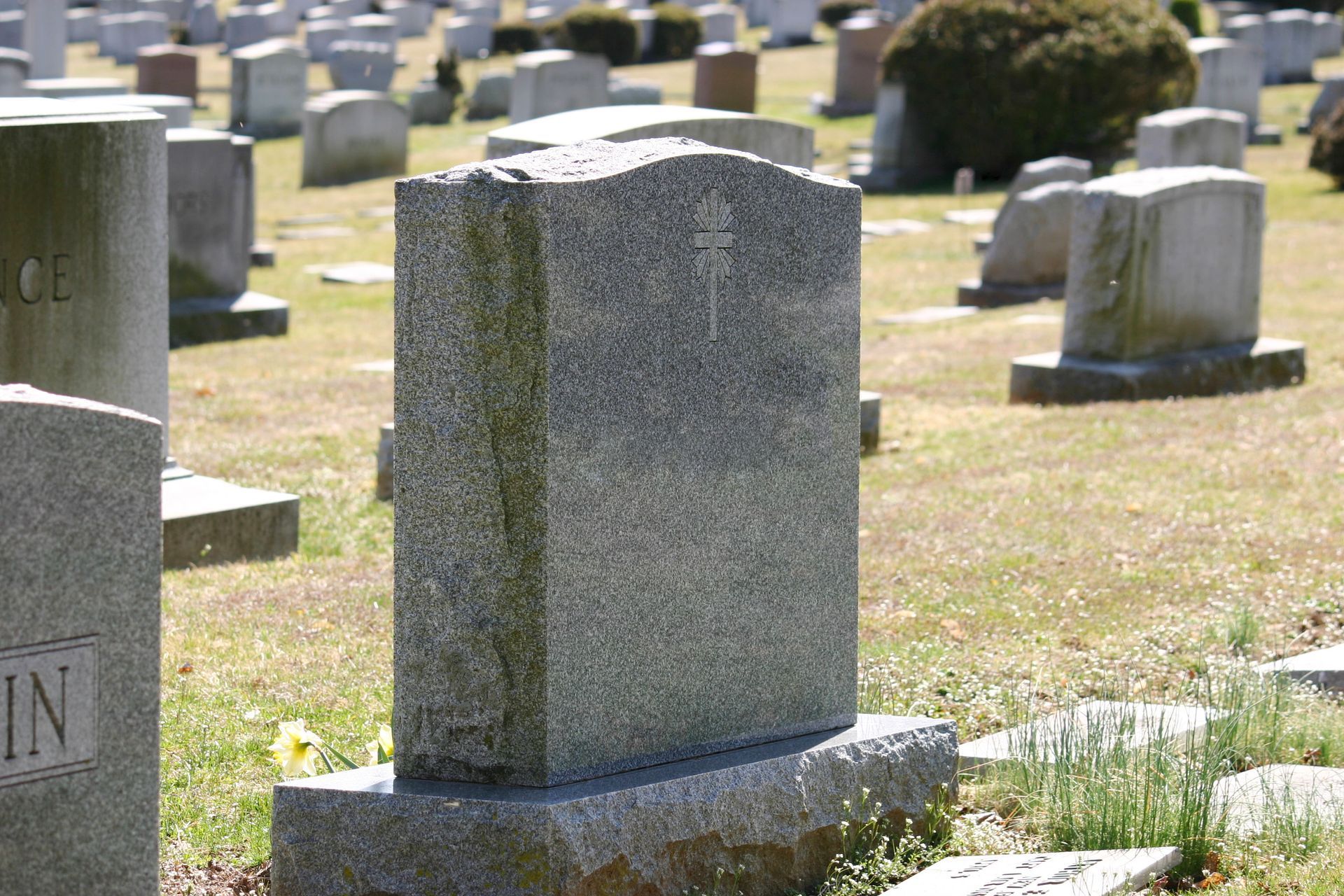
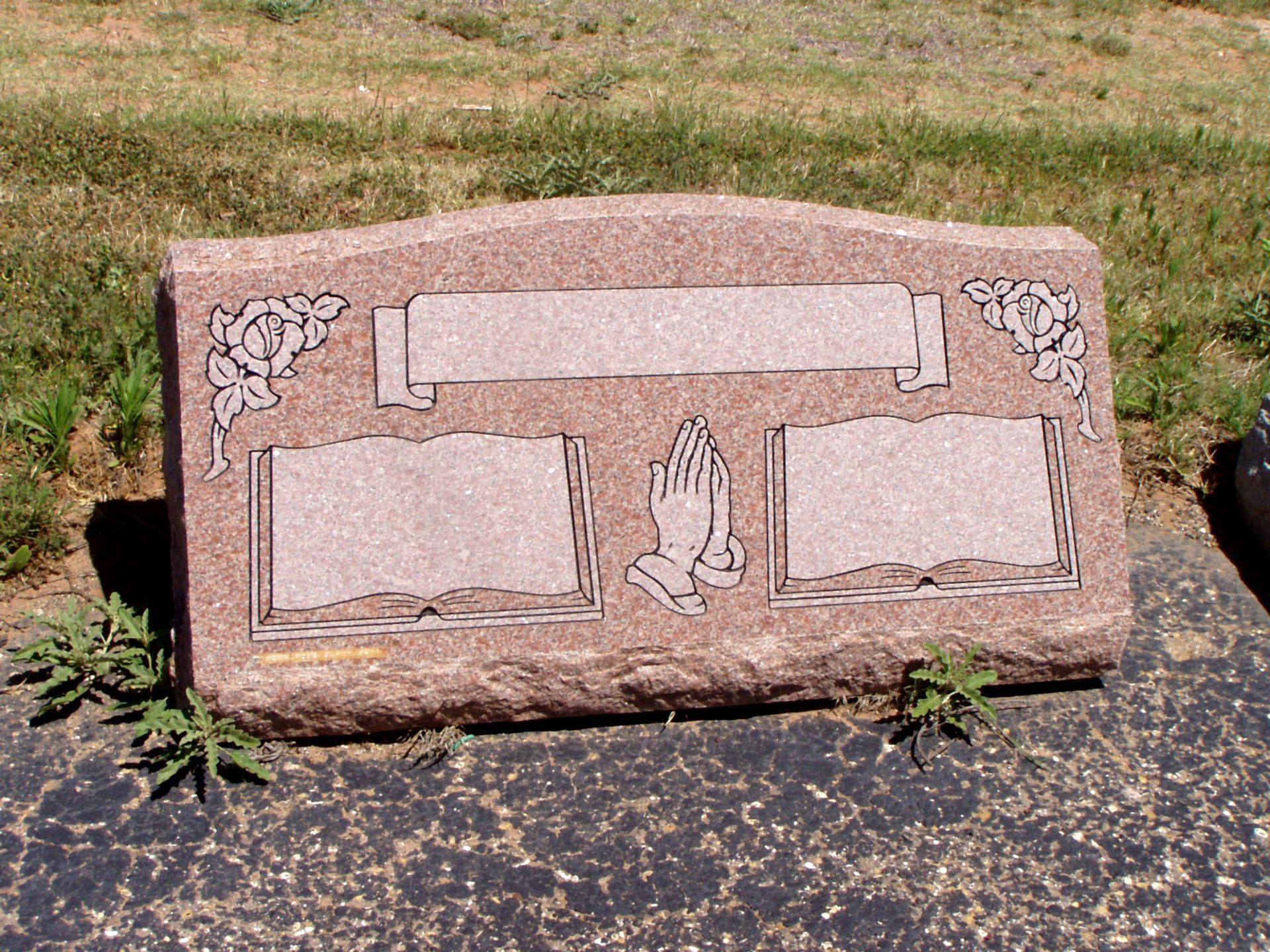
Symbols communicate powerful meaning without the need for words. Religious icons, cultural emblems, and meaningful imagery visually represent identity and belief systems. These elements help preserve heritage while offering a sense of familiarity to visitors who share similar values.
Personal interest symbols, such as those representing music, sports, or artistic pursuits, celebrate individuality. These visual cues tell a story about passions and joys, allowing memories to surface through shared experiences. Such imagery adds warmth and personality to the headstone.
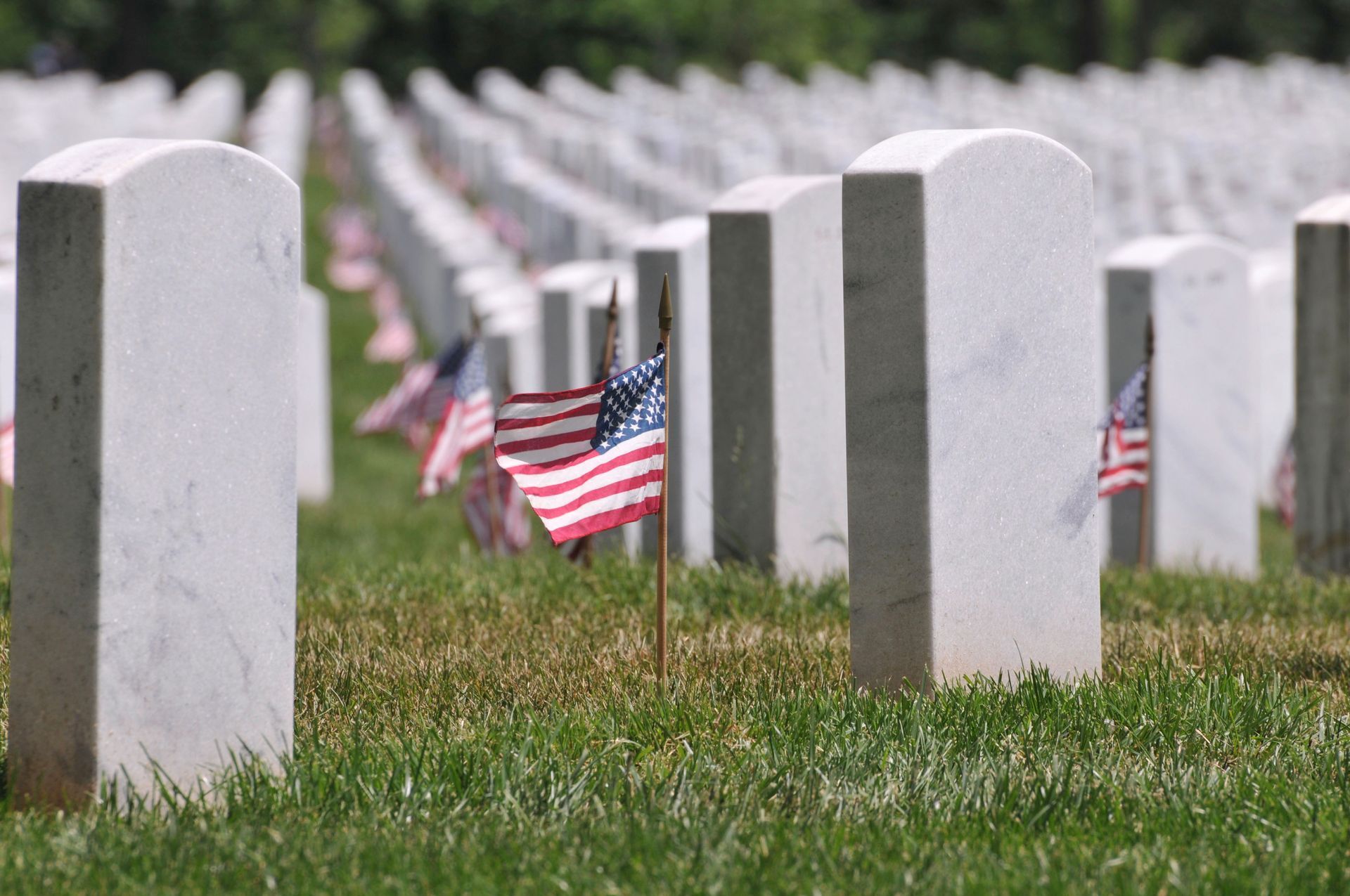
Military insignia and service emblems serve as enduring recognitions of commitment and sacrifice. Including these symbols honors service while providing a visible legacy for future generations. These representations often evoke pride, gratitude, and respect among visitors.
3. Material Selection and Surface Finishes
The choice of material influences durability, appearance, and emotional tone. Granite, marble, and slate remain popular for their longevity and aesthetic range. Each offers a different texture, color, and level of detail that can be tailored to personal preference.
Surface finishes also affect how a memorial is experienced. Polished finishes provide clarity and contrast for inscriptions, while rustic or natural finishes offer a softer, organic appearance. The finish choice can subtly reflect personality traits such as refinement or simplicity.
Color variations allow for further personalization. Certain stone hues may reflect regional ties, favorite colors, or symbolic meaning. By selecting unique tones, families can ensure the headstone stands out while remaining respectful and timeless.
4. Artistic and Decorative Elements
Artistic additions introduce creativity and visual storytelling into memorial design. Hand-carved sculptures, reliefs, or etched scenes allow families to translate memories into permanent form. These elements often depict themes such as guardianship, peace, or transformation, enhancing the emotional presence of the headstone.
Etchings and carvings provide intricate detail that enhances emotional depth. Landscapes, portraits, or symbolic imagery can be incorporated directly into the stone surface. These artistic touches invite reflection and contemplation from visitors.
Modern techniques also allow for ceramic or glass insets, mosaic designs, and decorative accents. These additions bring color and light into the design, blending tradition with contemporary expression. When thoughtfully applied, art elevates the memorial without overwhelming it.
5. Shape, Orientation, and Structural Design
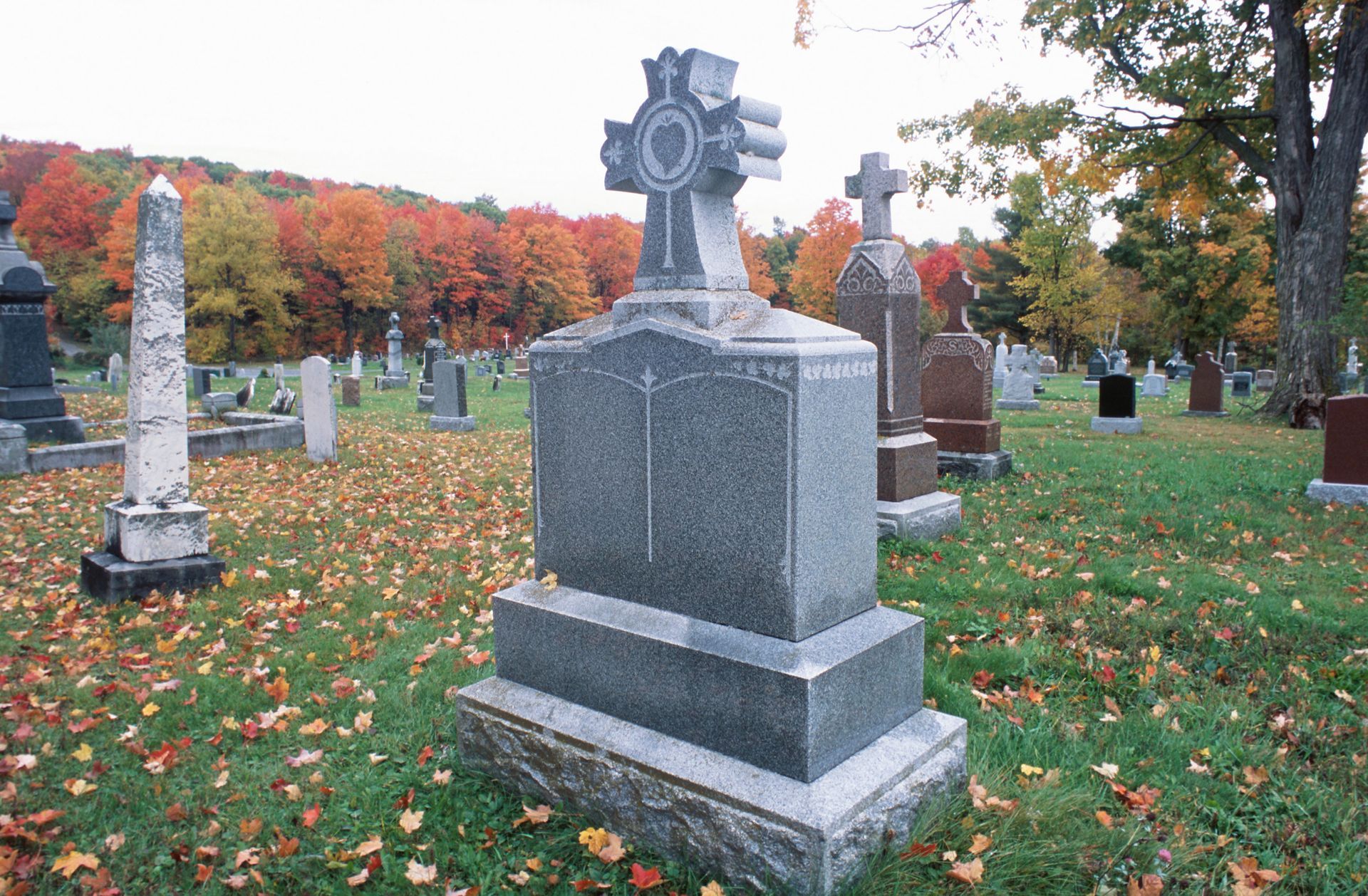
Traditional rectangular forms are no longer the only option for memorial design. Custom shapes and alternative silhouettes allow families to move beyond convention while still honoring tradition. These design choices help reflect individuality in a subtle yet meaningful way.
Orientation plays a role in how a memorial interacts with its surroundings. Vertical designs often convey strength and prominence, while horizontal layouts blend gently into the landscape. Each option offers distinct emotional and visual effects.
Some families incorporate seating, layered stonework, or integrated features to encourage quiet reflection. These structural elements transform the site into a place of comfort and remembrance, emphasizing ongoing connection rather than finality.
6. Living and Interactive Memorial Features
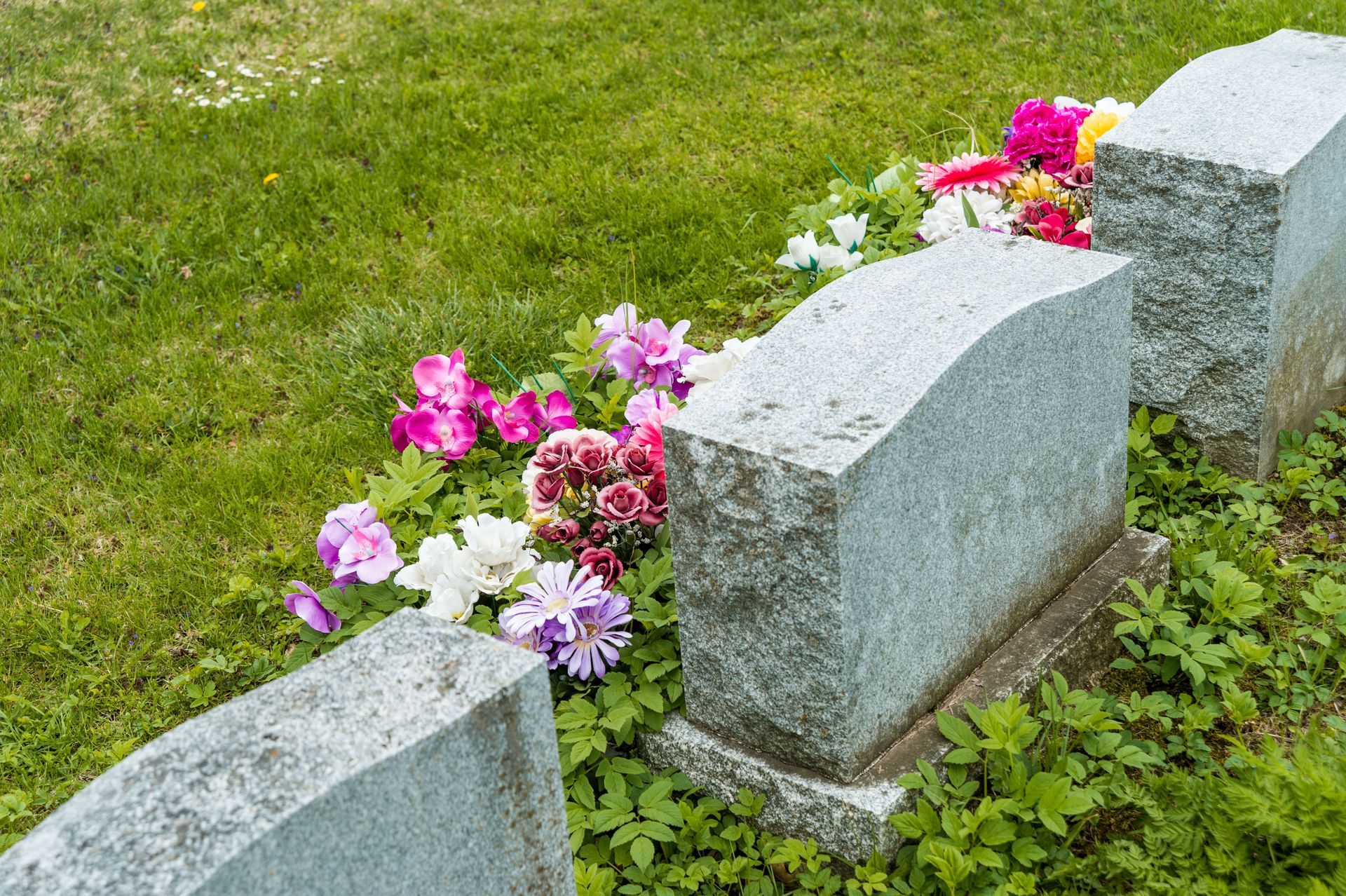
Living memorials emphasize renewal and continuity. Gardens, planters, and seasonal arrangements bring life and color to remembrance spaces. These elements evolve over time, symbolizing growth and enduring connection.
Tree dedications offer lasting symbolism, representing strength, legacy, and generational continuity. As trees grow, they become living witnesses to remembrance, offering shade and tranquility to visitors over many years.
Modern features such as solar lighting or interactive components introduce innovation into memorial spaces. These elements extend visibility, accessibility, and engagement while remaining respectful. When thoughtfully integrated, technology can enhance remembrance without detracting from solemnity.
7. Long-Term Maintenance and Preservation Considerations
Preserving a memorial over time requires thoughtful planning and awareness of environmental factors. Weather exposure, biological growth, and natural wear can gradually affect appearance if not addressed properly. Selecting durable materials and appropriate finishes contributes significantly to long-term preservation of the headstone.
Routine care, including gentle cleaning and periodic inspections, helps maintain legibility and visual integrity. Families who understand maintenance needs can protect the memorial’s appearance while honoring its intended design. Proactive care ensures the tribute remains dignified for future generations.
8. Balancing Personalization With Cemetery Guidelines
Many cemeteries maintain guidelines regarding size, materials, and decorative elements. Understanding these requirements early in the design process prevents delays and unexpected revisions. Respecting these standards helps ensure long-term harmony within the memorial grounds.
Balancing creativity with compliance allows families to achieve meaningful personalization without compromising approval. Working closely with memorial professionals can help navigate these guidelines while still creating a tribute that feels authentic and personal.
9. Personalization Through Storytelling Elements
Storytelling elements allow families to communicate a loved one’s journey in a subtle yet powerful way. Rather than listing facts alone, design elements can suggest milestones, values, or defining moments through imagery, layout, or phrasing. These narrative-driven choices help visitors understand who the person was beyond dates and names.
Story-focused personalization often includes symbolic timelines, visual metaphors, or curated wording that reflects personal growth, resilience, or relationships. This approach transforms memorial spaces into places where memories unfold naturally, encouraging reflection and emotional connection rather than passive observation.
10. Emotional Impact and Visitor Experience
The emotional experience of visitors plays a significant role in memorial design. Thoughtful personalization can influence how people feel when they arrive, linger, and depart. Design choices such as symmetry, openness, and visual balance contribute to a calming atmosphere that supports remembrance and healing.
When personalization aligns with emotion rather than decoration alone, the memorial becomes a place of presence rather than absence. Visitors are more likely to feel comforted, grounded, and connected, reinforcing the role of remembrance as an ongoing, supportive experience rather than a single moment of grief.
Personalizing a memorial is an opportunity to celebrate life, preserve memory, and express lasting love. Through thoughtful choices in design, symbolism, materials, and ongoing care, families can create a tribute that reflects individuality while offering comfort to those who visit. When intention and meaning guide each decision, the result is a dignified and enduring remembrance that continues to honor a life well lived. Contact our team at Newington Fox-Becker Memorials today to get connected with our cemetery services.

Share On: