
3 Ways Cemetery Markers Tell a Story Beyond the Name
A walk through a historic cemetery is far more than a somber necessity; it is a journey through a silent, stone library where every monument tells a story. Cemetery markers serve as the final physical footprints of our ancestors, acting as a bridge between the living and the departed. Through a sophisticated visual language of religious icons, floral motifs, and occupational tools, these markers communicate the values and identities that defined a lifetime. When we look closely, we see that a cemetery is a gallery of cultural history, reflecting the shifting tides of religious fervor, social affiliation, and artistic taste. By understanding the craftsmanship and the words etched into these enduring canvases, we can begin to decode the rich, biographical narratives that would otherwise be lost to time.
1. Symbolism Embedded in Gravestone Art
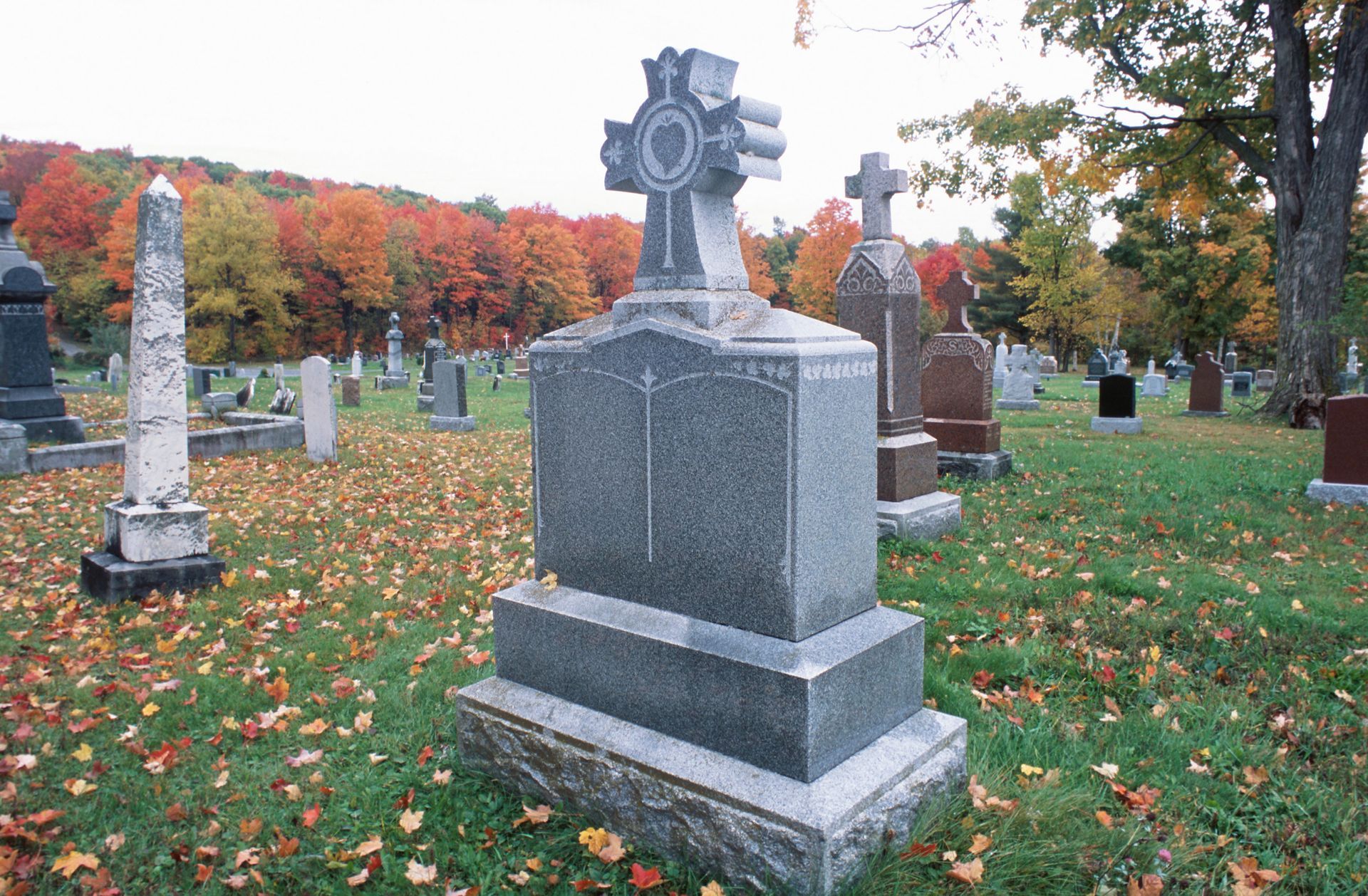
Religious symbols on gravestones serve as profound links between the deceased and their faiths. Crosses and Stars of David are frequently used to signify Christian and Jewish beliefs, respectively. Beyond this, symbols such as the Islamic crescent or Hindu Om can indicate the religious affiliations of the departed. These religious emblems reveal not just personal beliefs, but also the spiritual guidance that shaped their lives. As emblems of eternal faith, they provide an enduring connection to spiritual traditions and beliefs.
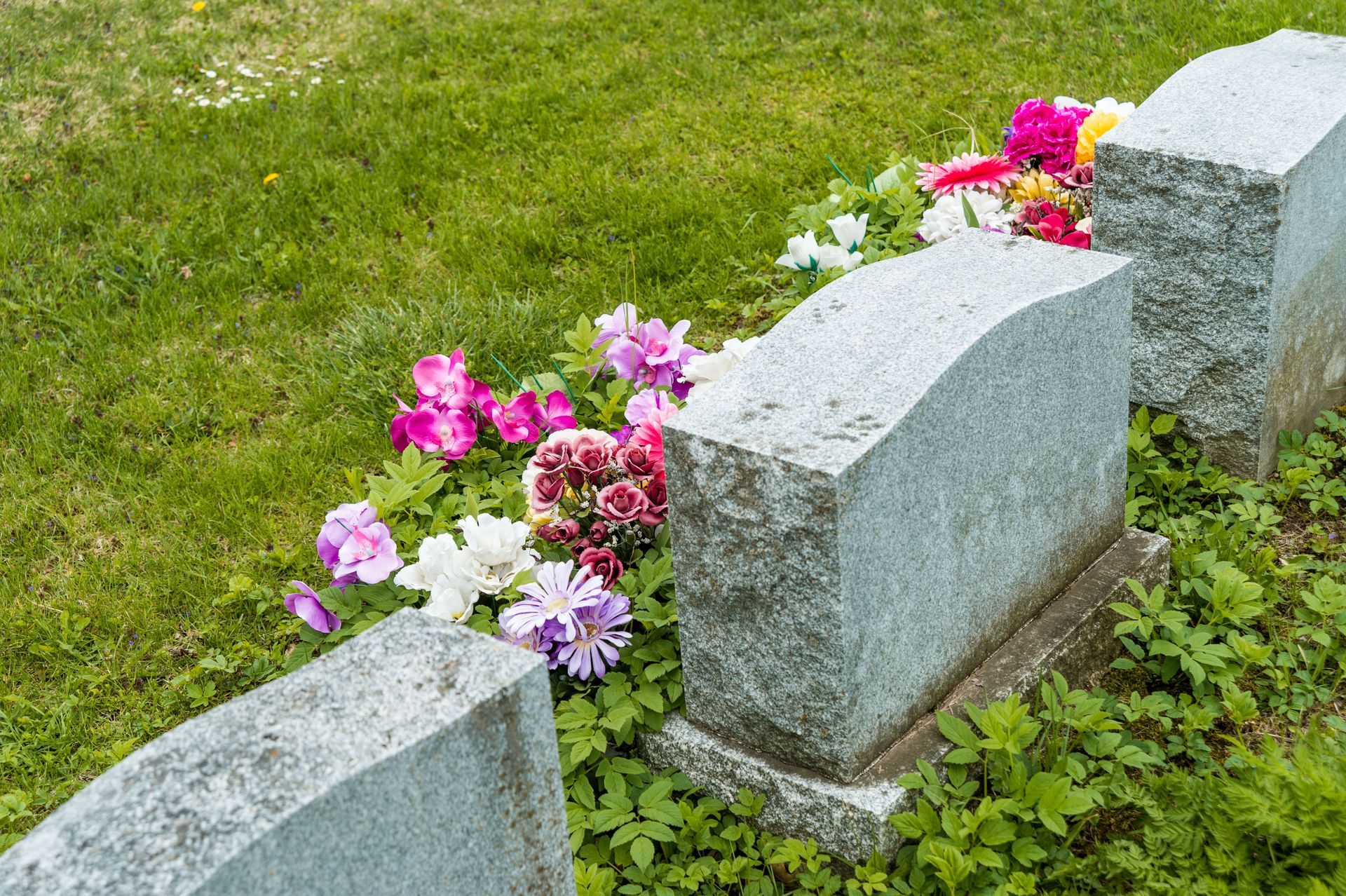
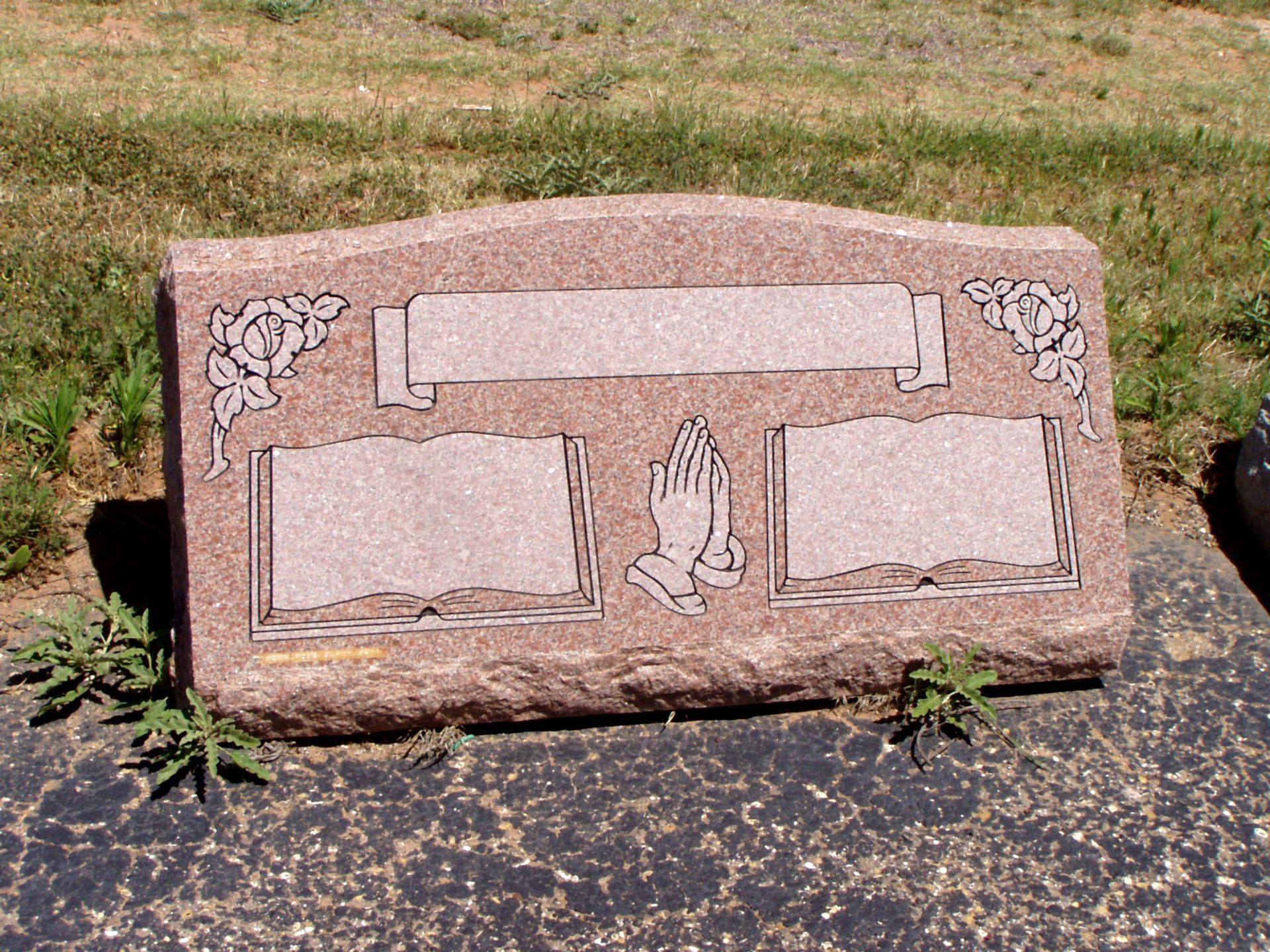
The use of flora and fauna on cemetery markers is not merely decorative; it is deeply symbolic. For example, roses may represent love, lilies evoke purity, and oak leaves symbolize strength. Animals such as doves or lambs denote peace and innocence, while more unique choices might reflect personal traits or passions of the deceased. These natural symbols are carefully chosen to portray moods, attributes, and the cyclical nature of life and death. Thus, they provide a poetic sense of continuity and remembrance.
Cemetery markers that feature tools or symbols of occupations are insightful into the professional lives of the deceased. A chisel might denote a stone mason, while a painter's palette could indicate an artist. These symbols speak volumes about how the deceased chose to spend their days and the skills and identities they valued. They not only commemorate individual achievements but also reflect broader societal values of different periods. Such emblems ensure that professional legacies are not forgotten.
Markers adorned with Masonic and other fraternal organization symbols offer a glimpse into the social affiliations of those they commemorate. The Square and Compass, a symbol of Freemasonry, is a common sight on the cemetery markers of members. Such symbols denote a sense of brotherhood and shared values, emphasizing the importance of communal bonds. They mark not just the individual, but a network of collaborative endeavors and mutual respect. By doing so, they reflect the societal roles these organizations played in shaping individuals' lives.
2. Epitaphs: Words that Speak Volumes
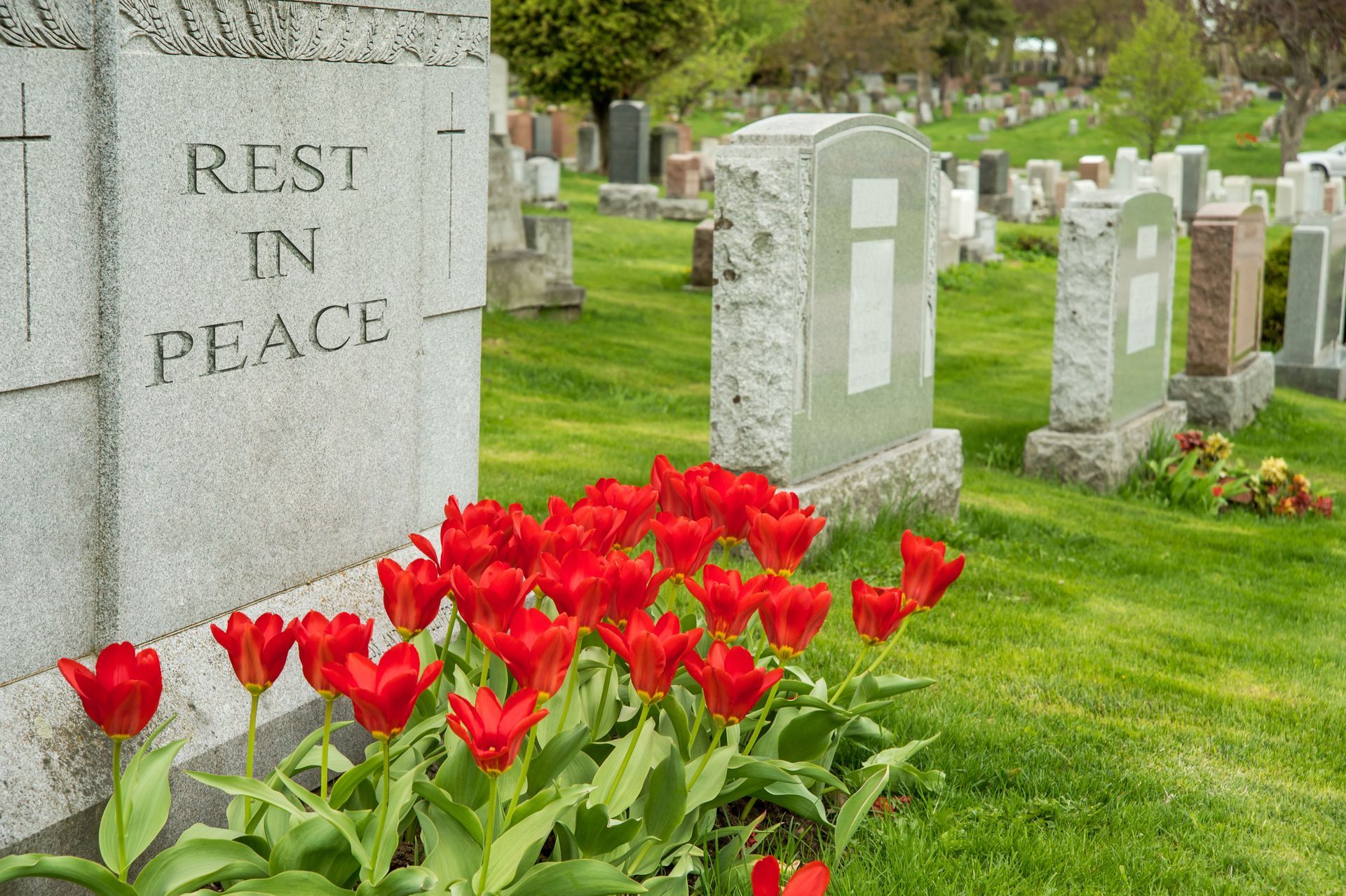
Poetic epitaphs carved into gravestones encapsulate the essence of a person's life, beliefs, and experiences eloquently. They offer a unique means of remembrance that resonates with both loss and celebration. Through carefully chosen words, these epitaphs narrate stories of love, achievements, and lifetime principles. In doing so, they provide solace and inspiration to the living, while dignifying the deceased. These poignant expressions through poetry ensure that the essence of the individual endures beyond death.
Light-hearted or humorous inscriptions offer a fresh perspective amidst the solemnity often associated with cemeteries. They reflect the deceased’s personality, demonstrating a lively spirit and wit. By choosing humor, the lives commemorated continue to evoke smiles, even in their physical absence. Such inscriptions challenge conventional norms surrounding funerary traditions, advocating for a celebration of life. According to PR Newswire, 91% of Americans consider conversations about death and dying to be healthy and normal.
Some gravestones serve as historical documents, offering rich biographical narratives and glimpses into past lives. They may recount significant events, accomplishments, or the social contributions of the deceased. These markers not only preserve personal histories but also contribute to a collective understanding of historical periods. Through their biographies, these cemetery markers become educational artifacts, bridging past and present comprehensively. They stand as a testament to lives that have shaped, impacted, and transformed communities over generations.
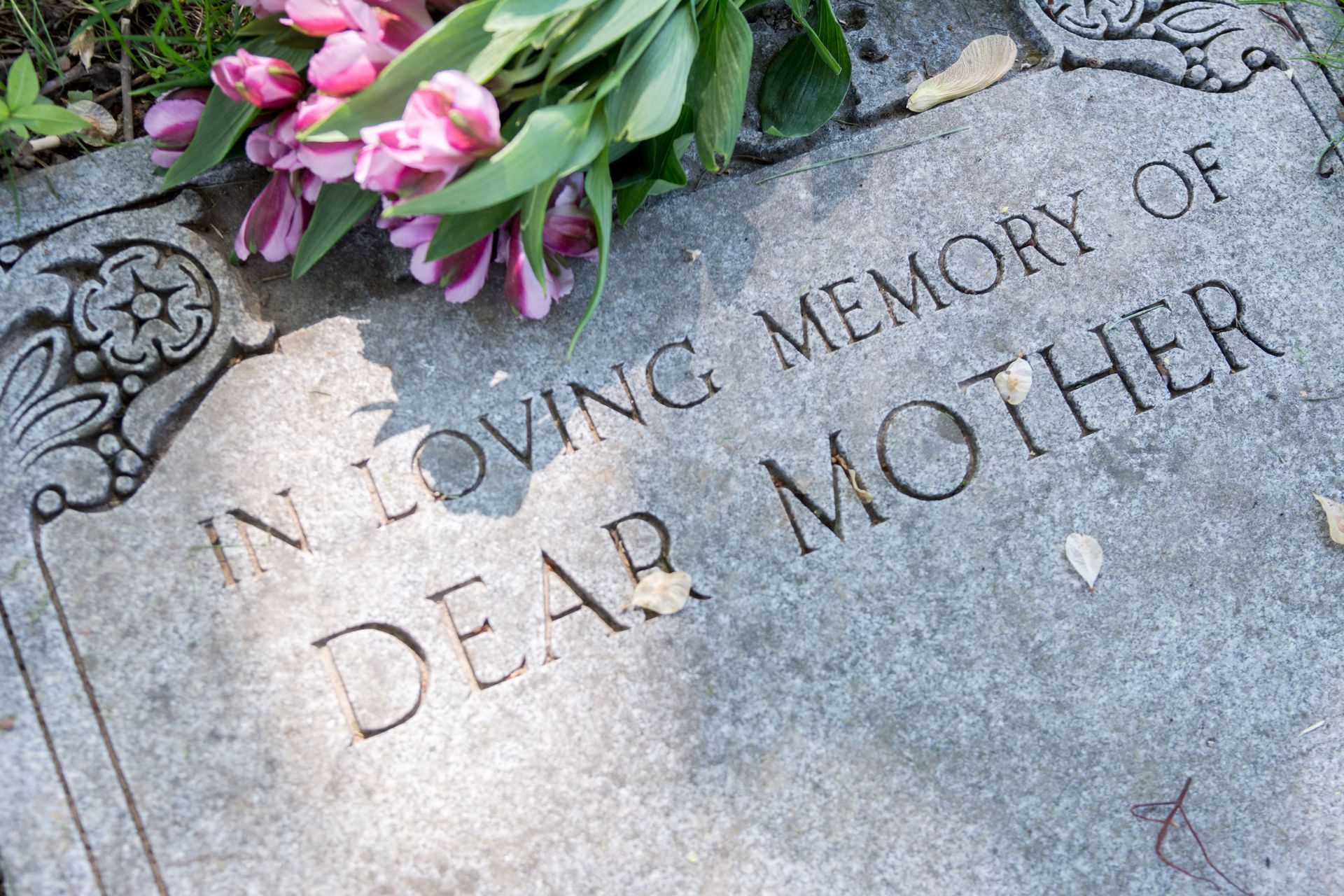
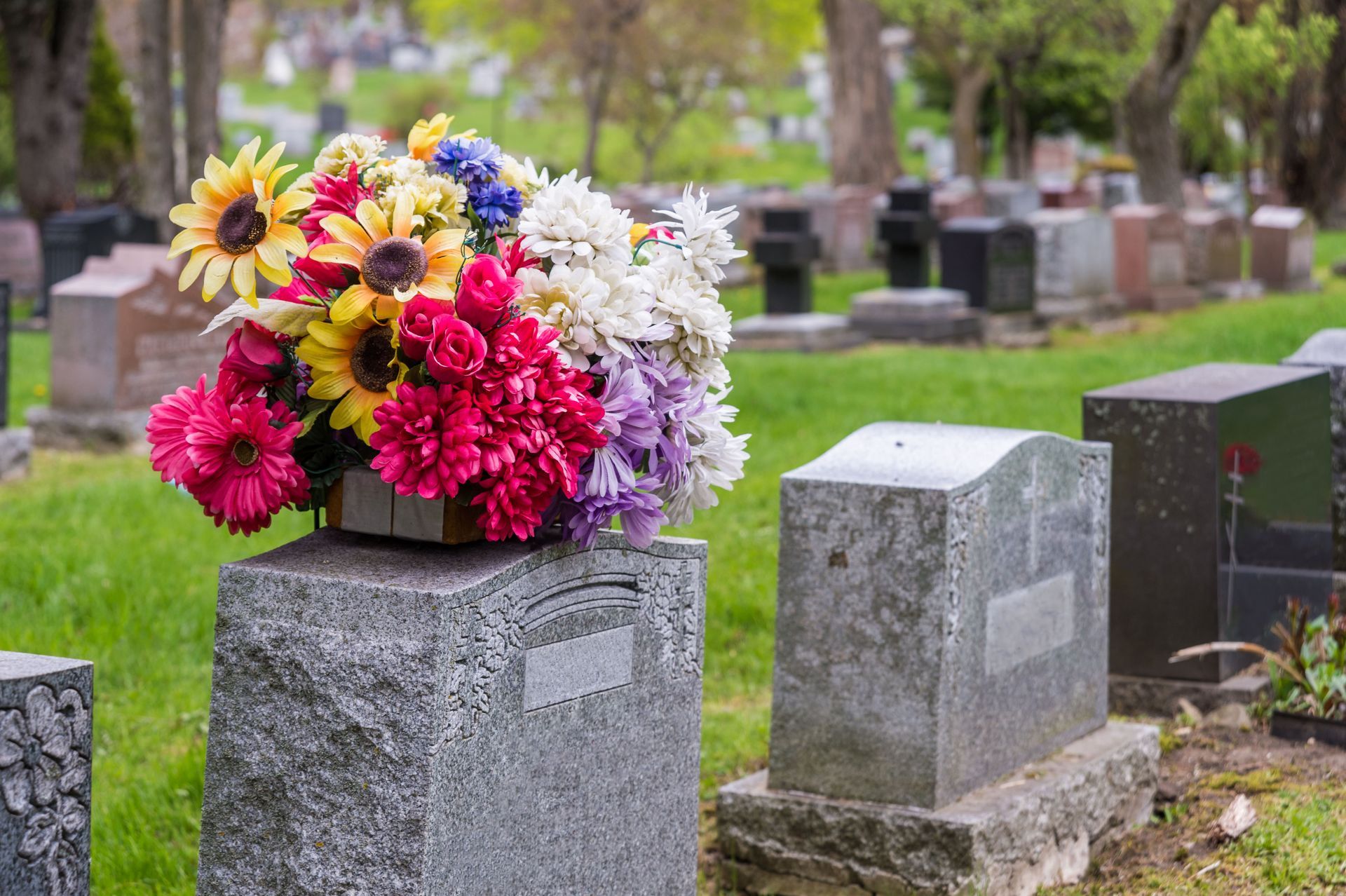
Gravestones filled with messages of love and loss are powerful conduits of family and relational bonds. They express emotions, gratitude, and undying affection, providing a means for the living to connect with those who have passed. This form of expression ensures that connections made in life endure in death. Such inscriptions can offer comfort, conveying support and shared memories among family members who visit the gravesite. They transform markers into sacred spaces where personal narratives and sentiments eternally mingle.
3. The Material and Craftsmanship of Markers
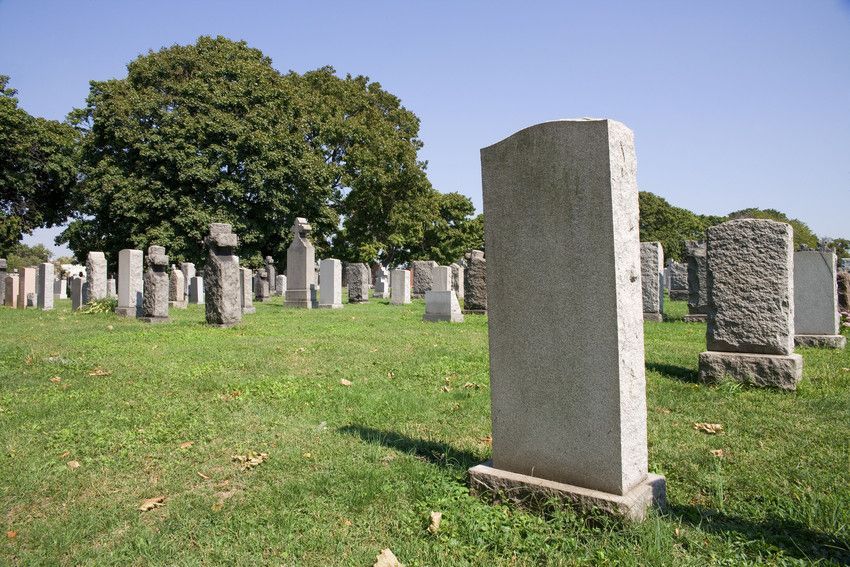
The choice of material for a gravestone can reveal much about its era, status, and perceived durability. Granite is often chosen for its strength and longevity, while marble carries a classical elegance, often associated with wealth and prominence. The materials used also give insights into regional availability and preferences, revealing local stonework traditions. Different stones age and weather in unique ways, reflecting the passage of time and the evolution of memorial practices. This makes material both a practical choice and an enduring testament to societal values and resources.
Artistic styles on cemetery markers evolve with the broader cultural and artistic movements of the time. From the intricate carvings of the Victorian era to contemporary minimalist designs, these styles mirror societal tastes and aesthetics. They are not only products of their time but also influences that shape future gravestone art and memorial customs. The progression of artistic trends highlights changes in concepts of memory, reflection, and the materials' symbolic nature. Gravestones thus exist as both remnants of the past and harbingers of future artistic interpretations.
The preservation efforts and weathering patterns of cemetery markers narrate a unique story of cultural preservation and nature's impact over time. Conditions such as exposure to elements, geological composition, and patina contribute to a stone's aesthetic transition. Each gravestone reflects the natural environment while also revealing the community's dedication to maintaining and preserving its heritage. Those untouched by modern preservation reveal raw encounters with nature, whereas maintained stones illustrate human endeavors to guard memories against decay. These markers bear the fingerprints of both time's relentlessness and humanity’s devotion.
Gravestone craftsmanship reveals refined skills and artistic dedication, often through techniques that have been honed over centuries. Carvers employ methods such as intricate engraving, etching, and relief to create markers of visual and historical depth. Their handiwork transforms stone into enduring canvases depicting both simplicity and detail. Craftsmanship not just translates the artisan's expertise, but also reflects societal values placed on memorializing the deceased with dignity and artistry. Each gravestone stands as a testament to a craftsman's artistry interwoven with memorial tradition.
From the poetic grace of a Victorian epitaph to the enduring strength of a hand-carved granite pillar, funerary art ensures that a person’s essence transcends their physical absence. These markers stand as a testament to human devotion, capturing the intersection of artistic skill and deep emotional loss. They remind us that while life is cyclical, the legacies of love, achievement, and faith are permanent. As time and nature leave their patina on these monuments, the stories they hold only grow more precious, offering us a profound connection to the generations that shaped our world.
Every headstone is a gateway to the past—visit a local historic site this weekend and see if you can decipher the hidden symbols and stories waiting to be rediscovered. If you'd like to learn more, contact Newington Fox-Becker Memorials today.



Share On: